
Dramaturgy & Narrative Strategy for Live Work
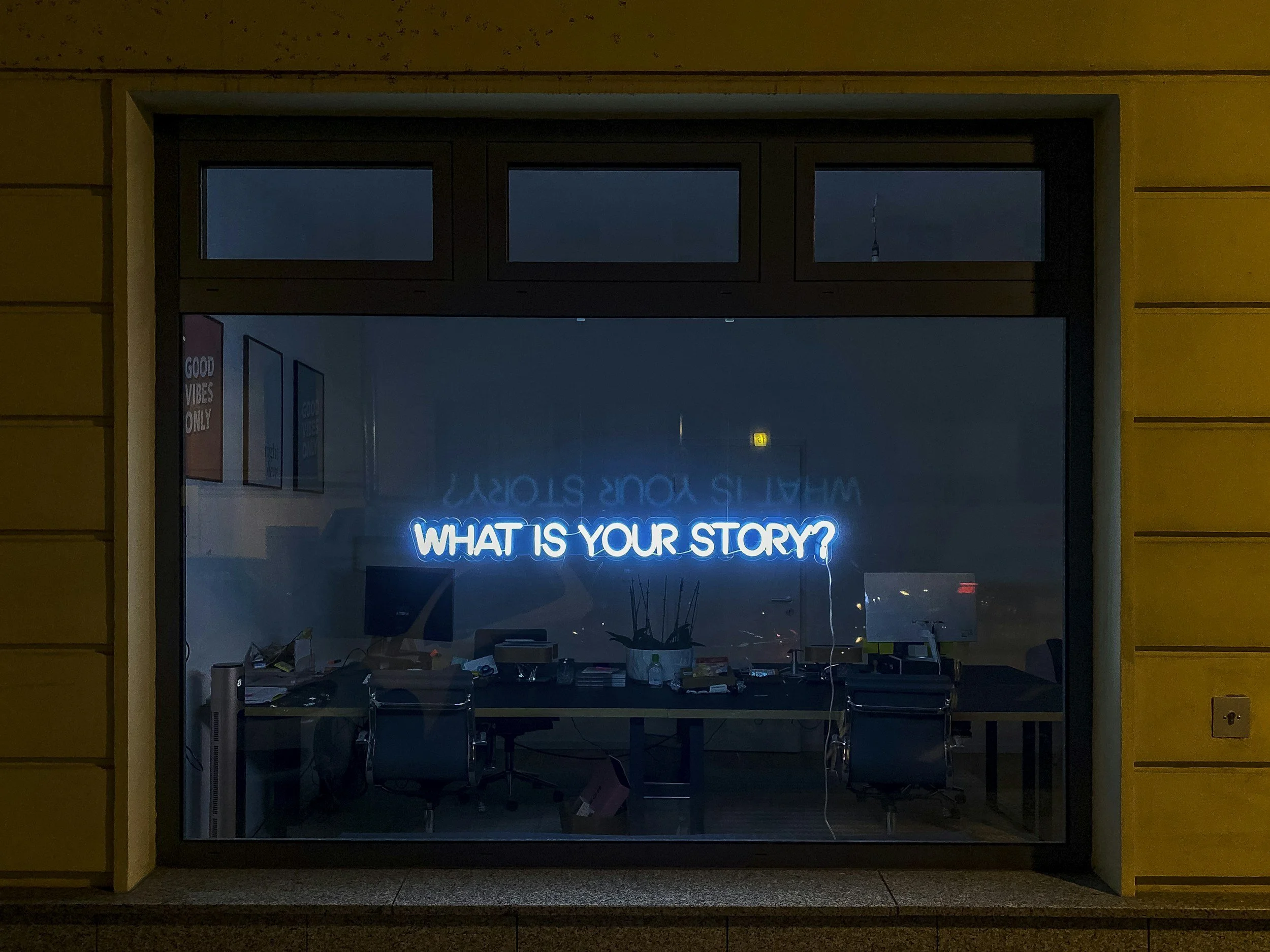
New work isn't fragile; it is alive.
It demands to be born.
I help theatermakers, educators, and experience designers bring new work from idea to audience with clarity, rigor, and a process that actually supports the piece.
I don’t write the work for you. I serve as your Creative Doula. I stand beside you—asking the questions that clear the path, shaping the container, and ensuring the work arrives as it’s meant to.
For playwrights, directors, ensembles, course creators, and visionaries ready to bring their work into the world.
HOW I WORK
My approach blends dramaturgy, narrative strategy, and facilitation:
Listening deeply to what the work is trying to say
Clarifying structure, stakes, and movement
Supporting the room (not controlling it)
Translating insight into actionable next steps
This is not about imposing a formula.
It’s about creating the conditions for the work to fully arrive.
Every project already contains its own logic, structure, and rhythm.
My role is to help you listen for it—and build a process that allows it to emerge.
THE NEW WORK PATHWAY
For Theatermakers & Performance-based Work
From first draft to opening night, these offers meet you where you are.
Choose Your Support
*
Choose Your Support *
Dramaturgical Read
“I have a draft. I need a witness.”
A deep, attentive read of your script or project—designed to clarify what the piece is, what it needs, and how to move forward.
Best for: Playwrights, solo artists, and creators with a draft or developed concept
Includes:
Deep read of your material
Written dramaturgical report
Clear next-step roadmap
60-minute reflection session
Outcome:
You leave with clarity, direction, and a grounded plan for development.
Investment: $400 per read
29-Hour Workshop Dramaturgy
"I have a room of artists. I need a container."
A structured development process that moves a piece from idea or rough draft to a performance-ready script.
I design and hold the container so the ensemble can do their best work—without chaos or drift.
This is not a "class." It is a protected environment where the work can be vulnerable, messy, and honest, guided by a dedicated Dramaturg who witnesses the labor and documents the birth.
Best for: Ensembles, theater companies, residencies, and university programs
The 29-Hour Breakdown:
Pre-Work Review (3.5 Hours): Reading the script and materials to prepare for the First Read and Tablework.
Rehearsals & Tablework (16 Hours): Attending four 4-hour sessions.
Includes: First Read group facilitation session, up to two co-facilitated Tablework sessions with the creative team, and passive observation for the remainder.
Focus: Active notetaking, tracking script changes, and documenting discoveries.
Post-Show Facilitation (1.5 Hours): 30-min audience conversation + 1 hr synthesis with artists.
The Incubation Report (8 Hours): Compiling notes, analyzing patterns, creating a "Next Steps" roadmap, and one follow-up meeting.
Outcome:
A cohesive draft, aligned ensemble, and a clear path toward production.
Investment: $1,500+
Production Dramaturgy
“I have a piece. I need to bring it to the world.”
Embedded dramaturgical support from rehearsal through opening night.
I serve as your outside eye, researcher, and advocate for the text—ensuring the production delivers on its full potential.
Best for: Productions preparing for staging, festivals, or premiere runs.
Options:
Dramaturg in Residence:
Rehearsal attendance.
Ongoing notes & support.
Research & contextual materials.
Full Production Partnership:
Everything above plus program writing, audience engagement, and talkbacks.
Outcome:
A production that is clear, coherent, and deeply connected to its audience.
Investment: $3,000–6,500.
Narrative Strategy for events & experiences
For Courses, Retreats, Panels & Live Conversations
Not every room needs more content.
It needs better structure, sharper questions, and a stronger arc.
What We'LL Do
*
What We'LL Do *
THE NARRATIVE ARCHITECT
Scripting & Strategy
“I have the people and the topic. I need the experience designed.”
You have the lineup, but you're worried the dialogue will be flat or repetitive. You don't need a moderator yet—you need a Content Architect to design the flow, interview your guests, and write the script, so the final session is gold.
Timeline: Minimum 4 Weeks lead time from booking
Investment: Starts at $1,000
What's included:
Conversation Architecture: Custom framework and arc design.
Guest Intelligence: 1-on-1 or group interviews with guests to extract stories and unique angles (recordings/transcripts provided).
The Script & Run-of-Show: Fully written facilitation script, intro/outro, specific questions, and timing cues.
Host Briefing: A 30-min handoff call to walk you through the script.
Excludes: Live facilitation. I do not show up to the event.
THE NARRATIVE FACILITATOR
Full Design + Live Hosting
"I need someone to lead the room."
I step into the spotlight to design the conversation, prepare your guests, and lead the energy—ensuring your event delivers deep value and connection, not just information.
Timeline: Minimum 6 Weeks lead time from booking
Investment: Starts at $2,000
What's Included:
Conversation Architecture: Custom framework tailored to your goals.
Guest Communications & Coordination: Full outreach, scheduling, and briefing for all guests.
Pre-Session Alignment: Meetings with guests to generate material and refine flow.
Script & Flow: Detailed facilitation script and run-of-show.
Live Facilitation: On-stage/screen hosting, dynamic moderation, and energy management.
Who This Is For
You’re developing new work and feel stuck, unclear, or overwhelmed.
You want rigor without rigidity.
You need an outside eye—but not another person taking over.
You care about the audience experience as much as the work itself.
You’re building something meant to be felt, not just consumed.